Buy klicks.eu ?
We are moving the project
klicks.eu .
Are you interested in purchasing the domain
klicks.eu ?
domain@kv-gmbh.de · 0541-91531010
Buy klicks.eu ?
What is the difference between paper chromatography and gas chromatography?
Paper chromatography involves the separation of compounds based on their affinity to the stationary phase (paper), while gas chromatography separates compounds based on their volatility and interaction with the mobile phase (gas). In paper chromatography, the mobile phase is a liquid solvent, whereas in gas chromatography, the mobile phase is a gas. Gas chromatography is typically more sensitive and provides better resolution compared to paper chromatography, making it more suitable for analyzing complex mixtures of compounds. **
What happens during chromatography?
During chromatography, a mixture of substances is separated into its individual components based on their different affinities for a stationary phase and a mobile phase. The sample is applied to the stationary phase, and the mobile phase is passed through the stationary phase. As the mobile phase moves through the stationary phase, the components of the mixture will interact differently with the stationary phase, causing them to separate and move at different rates. This results in the components being eluted from the column at different times, allowing for their individual identification and quantification. **

Similar search terms for Chromatography
Top-Angebote
Products related to Chromatography:
-
Inspire Select 6 Pcs Titanium Plated Drill Tap Set M3M10 High Speed Steel Hex Shank Tap & Drill Combo With Chamfer Tool gold Short Style 6 PcsCut threads and drill clean holes in one smooth stepno tool swapping, no wasted time. This integrated tapanddrill set is built for DIYers, mechanics, and metalworkers who want faster, cleaner threading in metal, wood, and plastic. The titanium...58,98 $*Shipping: 0,00 $Secure redirect to the provider
-
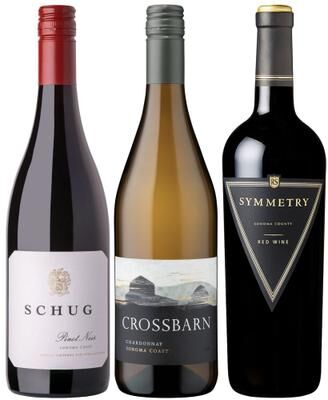
Wine.com """Explore Napa Valley Trio - California""""""Each highly-rated bottle in this set has been carefully selected to exemplify the quintessential Napa Valley characteristics, offering a tasting experience that is both memorable and distinctive. Whether a seasoned oenophile or a curious novice,..."119,99 $*Shipping: 0,00 $Secure redirect to the provider
-
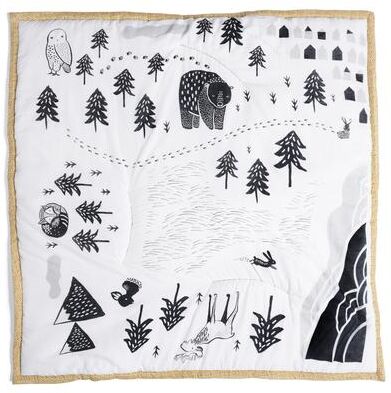
Wee Gallery Explore Playmat - Multi-ColorDesigned With Care: Wee Gallery's infant playmat features a hand-illustrated woodland scene on one side and a neutral cityscape on the other. Measuring 40 inches in diameter, our play mat creates the perfect area for cushioned play and baby...98,95 $*Shipping: 0,00 $Secure redirect to the provider



-
Is there a difference between chromatography and thin layer chromatography of amino acids?
Yes, there is a difference between chromatography and thin layer chromatography (TLC) of amino acids. Chromatography is a general term for a technique used to separate and analyze mixtures, while TLC is a specific type of chromatography that uses a thin layer of adsorbent material on a flat support to separate compounds. In the case of amino acids, both techniques can be used to separate and analyze the different amino acids present in a mixture, but TLC is a quicker and simpler method that is often used for preliminary analysis or for educational purposes. Traditional chromatography methods, such as high-performance liquid chromatography (HPLC), may offer higher resolution and sensitivity for more detailed analysis of amino acids. **
-
What is paper chromatography in chemistry?
Paper chromatography is a technique used in chemistry to separate and analyze mixtures of substances. It involves placing a small spot of the mixture on a strip of paper and then allowing a solvent to move up the paper through capillary action. As the solvent moves, it carries the different components of the mixture at different rates, causing them to separate based on their affinity for the paper and the solvent. This technique is commonly used in the identification of unknown substances and in the analysis of complex mixtures. **
-
What is the principle of chromatography and can you give an example of different chromatography methods?
Chromatography is a technique used to separate and analyze complex mixtures based on the differential interactions between the components of the mixture and a stationary phase. The principle of chromatography involves the sample being dissolved in a mobile phase and passed through a stationary phase, where the components of the sample interact differently with the stationary phase, causing them to separate. There are several types of chromatography methods, including gas chromatography (GC), liquid chromatography (LC), and high-performance liquid chromatography (HPLC). In gas chromatography, the mobile phase is a gas, while in liquid chromatography, the mobile phase is a liquid. High-performance liquid chromatography is a more advanced form of liquid chromatography that uses high pressure to separate components more efficiently. **
-
What is the principle of chromatography and can you provide an example of different chromatography methods?
Chromatography is a technique used to separate and analyze complex mixtures based on the differential interactions between the components of the mixture and a stationary phase. The principle of chromatography involves the sample being dissolved in a mobile phase and passed through a stationary phase. The components of the sample interact differently with the stationary phase, causing them to separate based on their affinity for the stationary phase. There are various types of chromatography methods, including gas chromatography (GC), liquid chromatography (LC), and high-performance liquid chromatography (HPLC). In gas chromatography, the mobile phase is a gas, while in liquid chromatography, the mobile phase is a liquid. HPLC is a more advanced form of liquid chromatography that uses high pressure to separate components more efficiently. **

How can one explain chromatography in kindergarten?
Chromatography can be explained in kindergarten by using simple language and visuals. One way to explain it is by comparing it to how colors separate when they mix in water. Children can be shown how different colors in markers or food coloring separate and spread out on a paper strip when placed in water. This can help them understand that chromatography is a process that separates different colors or substances based on how fast they move through a material. Overall, using hands-on activities and simple explanations can make chromatography understandable and engaging for kindergarteners. **
What is chromatography and how does it work?
Chromatography is a technique used to separate and analyze mixtures of substances based on their different properties. It works by passing a mixture through a stationary phase, which can be a solid or liquid, and a mobile phase, which carries the mixture through the stationary phase. The components of the mixture interact differently with the stationary phase, causing them to move at different rates and separate from each other. This allows for the identification and quantification of the individual components in the mixture. **
Top-Angebote
Products related to Chromatography:
-
All Categories Goods Universal Car Rear View Mirror, Click On, Wide Angle Convex, Panoramic Rearview, Anti Glare Universal Car Rear View Mirror, Click On, Wide Angle Convex, Panoramic Rearview, Anti GlareEnhance your driving experience with the Universal Car Rear View Mirror, designed to provide a wide angle convex view that effectively eliminates blind spots. This panoramic rearview mirror offers a clearer, safer, and more comfortable driving...42,97 $*Shipping: 0,00 $Secure redirect to the provider
-
Wine.com """Explore Sonoma""""""This highly rated Sonoma set showcases the region’s diversity and depth. Featuring expressive Pinot Noir, opulent Chardonnay, and a balanced Red blend. It’s a curated journey through Sonoma’s most celebrated terroirs. Schug Sonoma Coast Pinot Noir..."99,99 $*Shipping: 0,00 $Secure redirect to the provider
-
Inspire Select 6 Pcs Titanium Plated Drill Tap Set M3M10 High Speed Steel Hex Shank Tap & Drill Combo With Chamfer Tool gold Short Style 6 PcsCut threads and drill clean holes in one smooth stepno tool swapping, no wasted time. This integrated tapanddrill set is built for DIYers, mechanics, and metalworkers who want faster, cleaner threading in metal, wood, and plastic. The titanium...58,98 $*Shipping: 0,00 $Secure redirect to the provider
-
What is the difference between paper chromatography and gas chromatography?
Paper chromatography involves the separation of compounds based on their affinity to the stationary phase (paper), while gas chromatography separates compounds based on their volatility and interaction with the mobile phase (gas). In paper chromatography, the mobile phase is a liquid solvent, whereas in gas chromatography, the mobile phase is a gas. Gas chromatography is typically more sensitive and provides better resolution compared to paper chromatography, making it more suitable for analyzing complex mixtures of compounds. **
-
What happens during chromatography?
During chromatography, a mixture of substances is separated into its individual components based on their different affinities for a stationary phase and a mobile phase. The sample is applied to the stationary phase, and the mobile phase is passed through the stationary phase. As the mobile phase moves through the stationary phase, the components of the mixture will interact differently with the stationary phase, causing them to separate and move at different rates. This results in the components being eluted from the column at different times, allowing for their individual identification and quantification. **
-
Is there a difference between chromatography and thin layer chromatography of amino acids?
Yes, there is a difference between chromatography and thin layer chromatography (TLC) of amino acids. Chromatography is a general term for a technique used to separate and analyze mixtures, while TLC is a specific type of chromatography that uses a thin layer of adsorbent material on a flat support to separate compounds. In the case of amino acids, both techniques can be used to separate and analyze the different amino acids present in a mixture, but TLC is a quicker and simpler method that is often used for preliminary analysis or for educational purposes. Traditional chromatography methods, such as high-performance liquid chromatography (HPLC), may offer higher resolution and sensitivity for more detailed analysis of amino acids. **
-
What is paper chromatography in chemistry?
Paper chromatography is a technique used in chemistry to separate and analyze mixtures of substances. It involves placing a small spot of the mixture on a strip of paper and then allowing a solvent to move up the paper through capillary action. As the solvent moves, it carries the different components of the mixture at different rates, causing them to separate based on their affinity for the paper and the solvent. This technique is commonly used in the identification of unknown substances and in the analysis of complex mixtures. **
Similar search terms for Chromatography
-
Wine.com """Explore Napa Valley Trio - California""""""Each highly-rated bottle in this set has been carefully selected to exemplify the quintessential Napa Valley characteristics, offering a tasting experience that is both memorable and distinctive. Whether a seasoned oenophile or a curious novice,..."119,99 $*Shipping: 0,00 $Secure redirect to the provider
-
Wee Gallery Explore Playmat - Multi-ColorDesigned With Care: Wee Gallery's infant playmat features a hand-illustrated woodland scene on one side and a neutral cityscape on the other. Measuring 40 inches in diameter, our play mat creates the perfect area for cushioned play and baby...98,95 $*Shipping: 0,00 $Secure redirect to the provider
-
Artero Click 5mm & 6mm undercutHealth and Beauty Electric appliances Artero Click 5mm & 6mm undercut Hairdressing machine. Special for precision or delicate areas. Features: Operation with or without cable. Li-Ion battery. 0.3mm black ceramic blade. Power: 7W. Weight: 114gr. 1 Speed: 2,700 RPM. Double shims included in heights: 3, 4, 5, 6mm. Charging time: 2h. Battery use time: 60min.3,86 £*Shipping: 3,99 £Secure redirect to the provider
-
What is the principle of chromatography and can you give an example of different chromatography methods?
Chromatography is a technique used to separate and analyze complex mixtures based on the differential interactions between the components of the mixture and a stationary phase. The principle of chromatography involves the sample being dissolved in a mobile phase and passed through a stationary phase, where the components of the sample interact differently with the stationary phase, causing them to separate. There are several types of chromatography methods, including gas chromatography (GC), liquid chromatography (LC), and high-performance liquid chromatography (HPLC). In gas chromatography, the mobile phase is a gas, while in liquid chromatography, the mobile phase is a liquid. High-performance liquid chromatography is a more advanced form of liquid chromatography that uses high pressure to separate components more efficiently. **
-
What is the principle of chromatography and can you provide an example of different chromatography methods?
Chromatography is a technique used to separate and analyze complex mixtures based on the differential interactions between the components of the mixture and a stationary phase. The principle of chromatography involves the sample being dissolved in a mobile phase and passed through a stationary phase. The components of the sample interact differently with the stationary phase, causing them to separate based on their affinity for the stationary phase. There are various types of chromatography methods, including gas chromatography (GC), liquid chromatography (LC), and high-performance liquid chromatography (HPLC). In gas chromatography, the mobile phase is a gas, while in liquid chromatography, the mobile phase is a liquid. HPLC is a more advanced form of liquid chromatography that uses high pressure to separate components more efficiently. **
-
How can one explain chromatography in kindergarten?
Chromatography can be explained in kindergarten by using simple language and visuals. One way to explain it is by comparing it to how colors separate when they mix in water. Children can be shown how different colors in markers or food coloring separate and spread out on a paper strip when placed in water. This can help them understand that chromatography is a process that separates different colors or substances based on how fast they move through a material. Overall, using hands-on activities and simple explanations can make chromatography understandable and engaging for kindergarteners. **
-
What is chromatography and how does it work?
Chromatography is a technique used to separate and analyze mixtures of substances based on their different properties. It works by passing a mixture through a stationary phase, which can be a solid or liquid, and a mobile phase, which carries the mixture through the stationary phase. The components of the mixture interact differently with the stationary phase, causing them to move at different rates and separate from each other. This allows for the identification and quantification of the individual components in the mixture. **
* All prices are inclusive of VAT and, if applicable, plus shipping costs. The offer information is based on the details provided by the respective shop and is updated through automated processes. Real-time updates do not occur, so deviations can occur in individual cases. ** Note: Parts of this content were created by AI.